Where the smoke goes
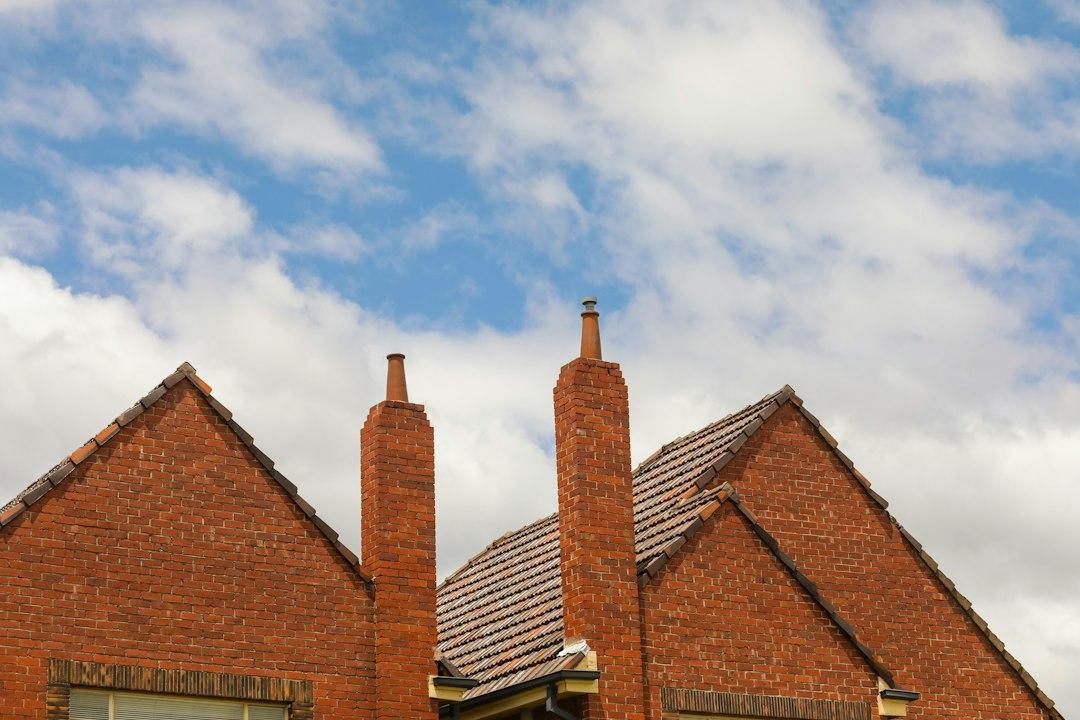
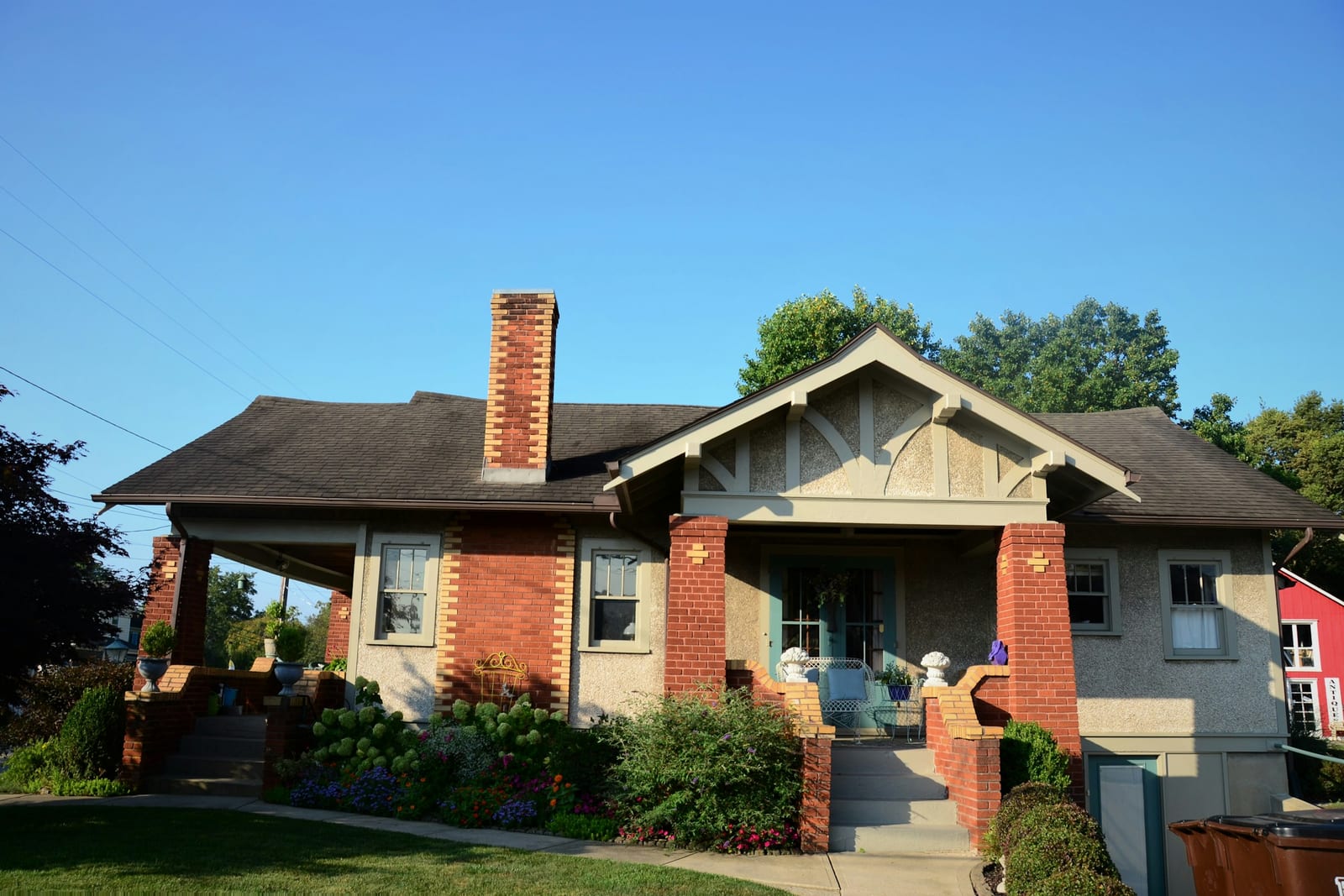
Most of us think of a fireplace as something that happens inside our own house. The smoke, though, belongs to the street. In Pasadena, homes are close together, many older streets have houses only a few yards apart, and on cold, still evenings the air near the ground barely moves. Smoke leaving a chimney on a night like that does not rise and disappear. It sinks, drifts along the block and finds its way into the nearest open window, bathroom fan or heating system intake.
A neighbor can smell your fire long before you can. And for some neighbors, it is more than a smell.
Who notices most
Wood smoke is made up largely of fine particles small enough to get deep into the lungs. Health agencies, including the EPA, point out that the people most affected are children, older adults, and anyone with asthma, lung disease or heart disease. A household two doors down may include any of these, and they may not tell you. Many people simply close their windows and put up with it.
This is not a reason to stop enjoying a fire. It is a reason to make the fires you do have as clean as you can.
Why some fires smoke more
The amount of smoke a fireplace makes depends mostly on three things.
The wood
Wet wood makes much more smoke than dry wood, because the fire has to boil the water off before the wood can burn properly. Dry, split hardwood below about 20 percent moisture is the starting point. See our firewood guide.
The fire
Smoldering fires make the most smoke. That includes big loads with the air turned down, fires left to die slowly overnight, and slow starts in a cold chimney. Small, hot fires, lit from the top, make the least. Our top-down fire guide walks through it.
The appliance and chimney
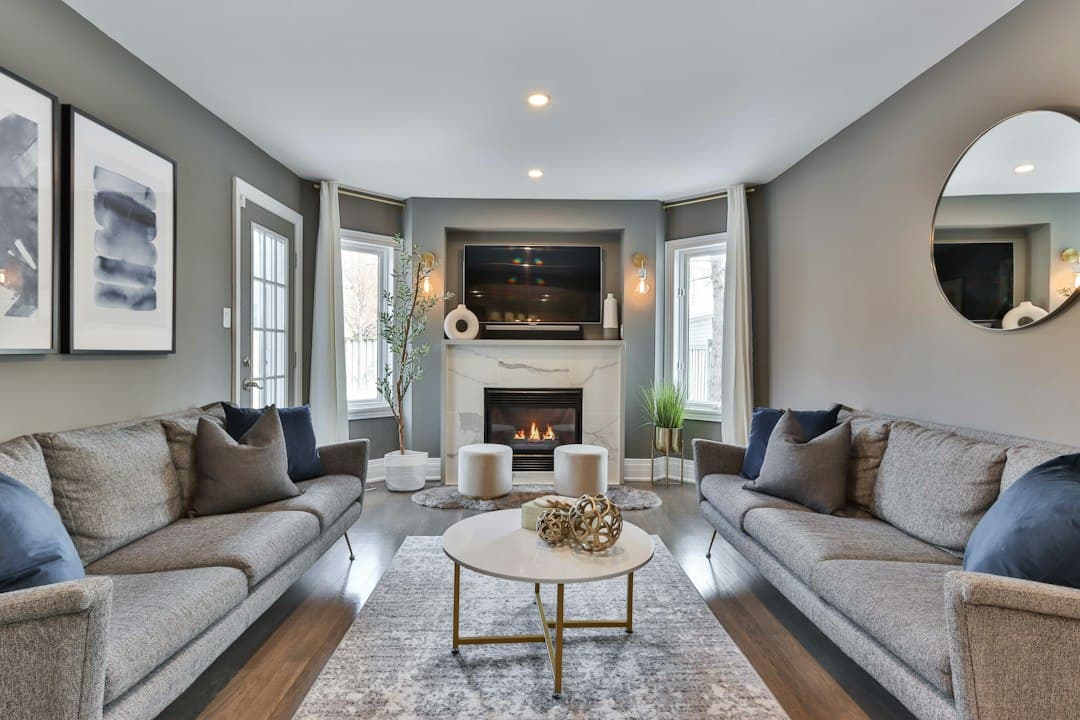
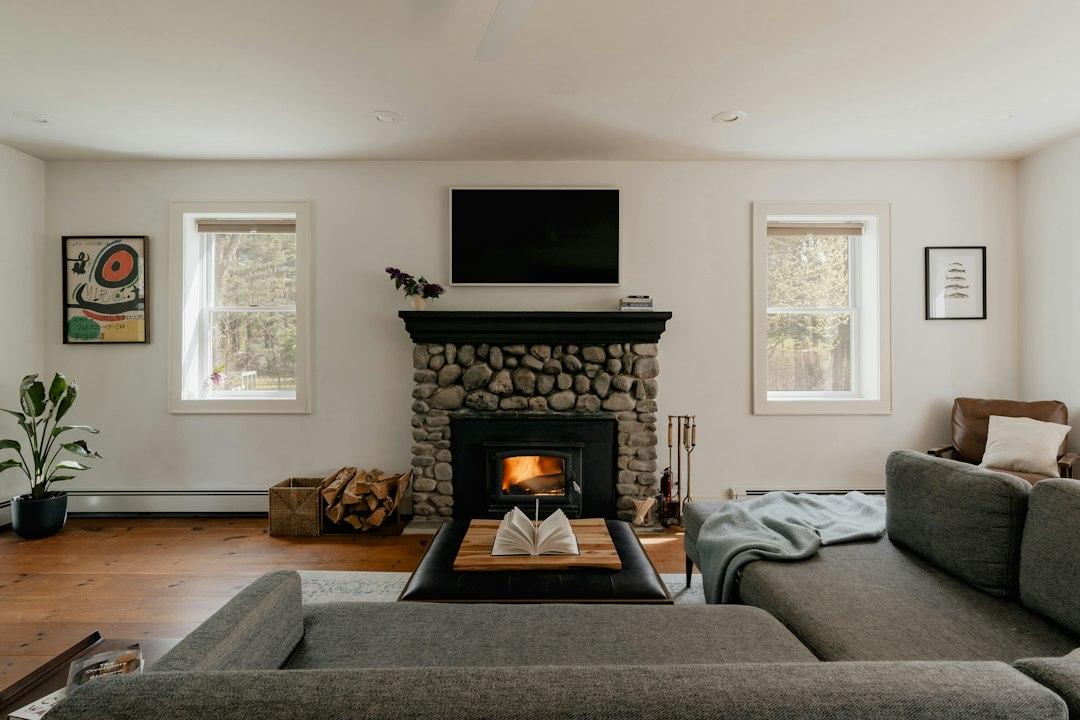
An open fireplace is the smokiest way to burn wood. A certified insert or stove burns far cleaner. A dirty or oversized flue, or a cap plugged with soot, slows the draft and adds smoke. A chimney sweep and a properly sized liner can make a real difference.
Simple courtesies that help
Check the forecast
From November through February, the South Coast AQMD issues no-burn alerts across the region when fine particle levels are forecast to be high. On those days, wood burning is not allowed. Even outside the season, still, cold nights are when smoke lingers worst. A quick look at the burn forecast before you light up keeps you on the right side of the rule.
Step outside
About fifteen minutes after you light a fire, walk out to the sidewalk and look at your chimney. Note where the smoke goes. If it is grey or thick, or if it is pooling around the house next door, the fire needs more air, drier wood or a smaller load.
Mind the evening timing
Many neighbors open windows in the early evening to cool their houses, even in winter. A smoky start at that hour lands straight in their living rooms. A clean, top-down start makes the first half hour much less noticeable.
Do not burn trash
Paper plates, wrapping paper, cardboard and painted wood make heavy, foul-smelling smoke and can leave toxic residue. They also coat the chimney quickly.
Let the fire finish
A fire left to smolder into the night puts out a slow trickle of smoke for hours. Let it burn down while you are still up, then close the glass doors if you have them. Do not close the damper until the embers are fully out.
Talking with neighbors
If a neighbor raises your smoke with you, it helps to listen first. Ask when it bothers them and where they notice it. Often the issue is a particular time of evening or a wind direction that sends the smoke into one house. Small changes, like burning a little later, using drier wood, or skipping still nights, can fix it.
If you are on the other side and your neighbor's smoke bothers you, a friendly word is usually the place to start. Many people simply do not know how far their smoke travels.
Bigger changes that make the most difference
If you burn often and want to cut your smoke sharply, the appliance matters most.
- A certified wood insert or stove burns wood with a small fraction of the smoke of an open fire. It still cannot be used on no-burn days.
- A gas insert or gas log set makes no wood smoke and is not covered by the no-burn alerts.
- A pellet stove burns cleanly when well maintained. It still burns wood, so check the AQMD's rules before using it on an alert day.
Our fireplace insert service explains how we size and install inserts so they burn the way they are designed to. Pricing for a gas insert put into your present fireplace is $2,650 to $5,300.
A cleaner fire is a quieter fire
Most of the habits that keep smoke away from the neighbors are the same ones that keep your chimney clean and your room warm. Dry wood, hot fires and a well-kept flue mean less creosote, less smell in your own house and fewer surprises at the next sweep.
If you want help working out why your fireplace smokes, or what an upgrade would change, get in touch. We work across Pasadena and the San Gabriel Valley, and we are glad to talk it through.
Fire Still Smoking After Reading This?
Dalton Bros Chimney Care works from Bungalow Heaven on sweeps, stove gaskets and baffles, and sealed inserts. Call with what you burn and where the smoke ends up, and we read the flue to find out why.