Two very different ways to burn the same wood
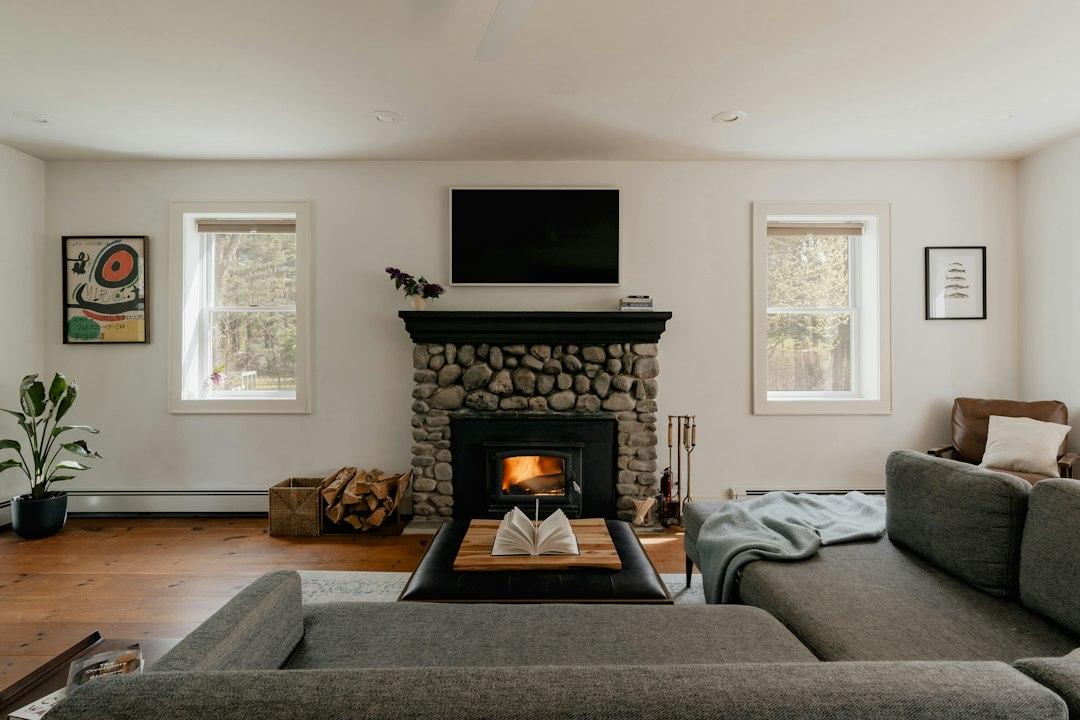
Many Pasadena homes, especially the older ones, have an open masonry fireplace: a brick or stone firebox, a damper, and a chimney above. It is lovely to look at. It is also the least efficient and smokiest way to burn wood in a house. A fireplace insert is a sealed firebox that slides into that opening, with a glass door, controlled air supply and, in most cases, a liner running up the chimney.
This post compares the two on the things that matter for a household that cares about smoke: what comes out of the chimney, what stays in the room, what happens to the flue, and how each fits with no-burn days.
Smoke out of the chimney
An open fire draws whatever air the room offers. It burns fast and unevenly, and much of the wood's gas leaves before it can burn. That gas is the smoke you see from outside.
A modern wood insert controls the air and burns the smoke a second time, either with preheated air through burn tubes at the top of the firebox or with a catalytic combustor. New wood heaters sold in the United States must meet EPA smoke limits, and certified inserts carry a label showing they do. In practice, a certified insert burning dry wood puts out a small fraction of the smoke of an open fire burning the same wood.
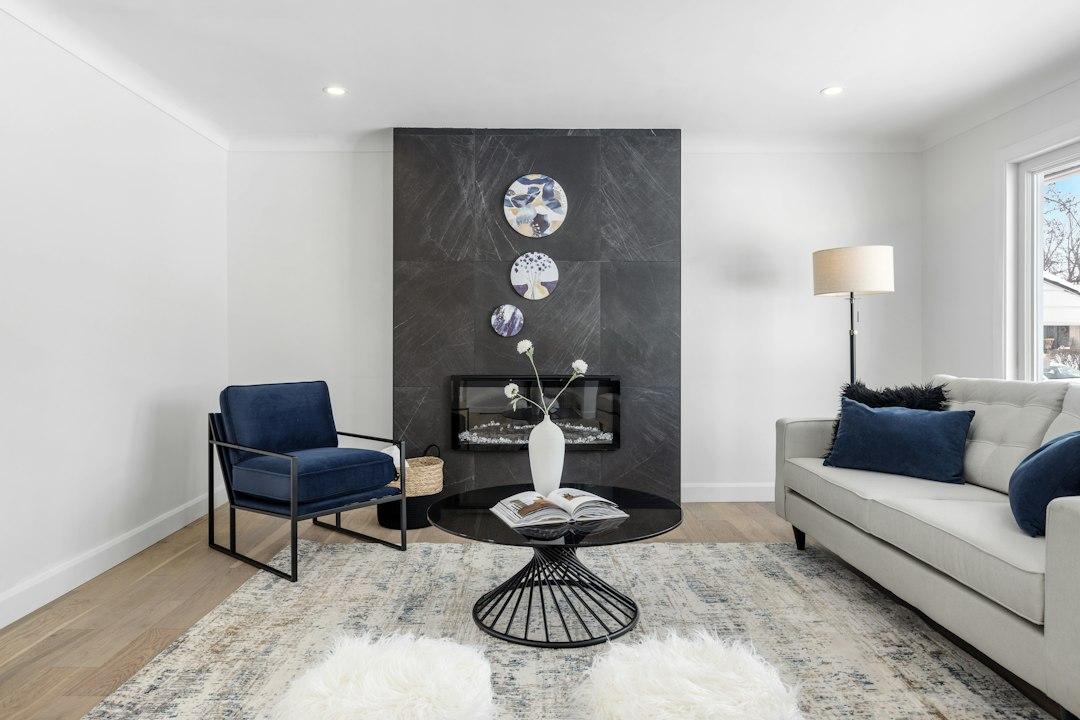
A gas insert burns natural gas or propane. It produces no wood smoke at all.
Smoke in the room
Open fireplaces often spill smoke into the room, especially at the start of a fire, when a door opens, or when a kitchen fan is running. Even when they draw well, they can leave a smell in the house for days.
An insert's glass door keeps smoke inside the firebox. Smoke can still escape if the door is opened while the fire is smoldering, but in normal use the room stays clear. Gas inserts with direct venting draw their combustion air from outside and send the exhaust back out, so they do not mix with room air at all.
Heat
An open fireplace sends much of its heat up the chimney, and when the fire dies down, it keeps pulling warm room air up the flue. Many people find the room is barely warmer after a fire, and the rest of the house may be colder.
An insert puts its heat into the room. The steel or cast-iron body heats up and radiates, and many models have a fan to move warm air out. The difference is noticeable on the first night.
What happens in the chimney
An open fire sends a large volume of cool smoky air up a big flue. That makes creosote. An insert needs a correctly sized liner, usually stainless steel, from the insert to the top of the chimney. The smaller flue keeps the smoke warm and moving fast, which builds less creosote. The liner also seals off old tile joints that may have cracked during an earthquake.
This is why we look at the chimney before quoting an insert. Without the right liner, an insert can draft poorly and build creosote faster than the open fireplace did. With the right liner, it is easier on the chimney than the fireplace ever was. A Level 2 camera inspection is often the first step.
No-burn days
Here the choice between wood and gas matters. From November through February, the South Coast AQMD issues no-burn alerts on days of poor air quality across Pasadena and the region. A wood insert, even a certified one, is still wood burning and stays cold on those days. A gas insert is not covered by the alerts.
So the practical question is how often you want a fire. If you are happy to burn wood on allowed evenings and skip the alert days, a certified wood insert gives you a real wood fire with far less smoke. If you want a fire on any cold night, gas is the answer. Our Check Before You Burn guide explains how the alerts work.
Cost
We will not invent a figure for wood inserts here, because the price depends on the model, the liner length and the fireplace. We quote those in writing after looking at the chimney. For gas inserts installed in an existing fireplace, our range is $2,650 to $5,300, depending on size, venting and finish.
On the running side, an insert burns less wood for the same heat than an open fireplace, and you will usually need fewer sweeps because less creosote forms.
What stays the same
- The look of the original fireplace. An insert sits inside the firebox, and its surround can be sized to leave the original tile or brick visible.
- The need for yearly care. Inserts still need an annual inspection, and wood inserts need sweeping as the creosote builds.
- Clearances. Mantels and trim still need to sit at a safe distance, and the required distances can change when an insert goes in.
Questions to ask before choosing
- How often do you want a fire, and would you like one on no-burn days?
- Do you want the fire mainly for heat, or mainly for the look?
- Is there gas at the fireplace, or nearby?
- What condition is the chimney in?
- How big is the room, and is it open to other rooms?
Our view
For a household in Pasadena that burns wood in an open fireplace more than a few times a season, an insert is the single biggest change for cleaner air, inside and outside the house. Wood or gas depends on how you live. If you would like to talk it through, see our insert service or send us a note, and we will look at the fireplace with you.
Fire Still Smoking After Reading This?
Dalton Bros Chimney Care works from Bungalow Heaven on sweeps, stove gaskets and baffles, and sealed inserts. Call with what you burn and where the smoke ends up, and we read the flue to find out why.